Dog Nose Lead . Fit neckstrap high on the neck, touching the base of your dog’s skull at A blocked nostril makes a significantly higher pitched sound as air is forced through a narrower passage. Dog Muzzle Strap Mouth Traction Training Nose Reigns Dog from www.ebay.com Without experience and correct training, the owner could cause severe discomfort to the dog if the lead is not loosened immediately. Rogz control long lead red xl. The canny collar works through a pressure and release system.
Dog Stomach Endoscopy. Removing a foreign body from stomach by endoscopy in a dog.ankara ümitköy vetcomplex veteriner kliniğiwww.umitkoyvetcomplex.com0 312 235 40 44 In recent years, endoscopy has become available in the veterinarian community.
Endoscopy in Dogs Conditions Treated, Procedure from wagwalking.com
Schedule an endoscopy for your dog Happé' summary gastrointestinal endoscopy has proved to be an important tool in the diagnosis of gastrointestinal disease in the dog. Scheduling an endoscopy for your dog.
Examination Of The Duodenum Is Also Possible With This Type Of Endoscope In The Larger Breeds Of Dog.
The endoscope can be passed through the valve at the lower end of the stomach (pylorus) and into a short segment of the small intestine (duodenum) in some dogs. Scheduling an endoscopy for your dog. This reduces risk to both the patient and the endoscope.
Endoscopy Is A Minimally Invasive Way To Evaluate The Inside Of Organs Such As The Esophagus, Stomach, Intestines, Urinary System, Trachea, Lungs, And Nasal Cavity.
Endoscopy is a minimally invasive tool that can be used to aid in the treatment of common small animal gastrointestinal (gi) diseases. Schedule an endoscopy for your dog An endoscopy is a minimally invasive procedure used with dogs and cats to help diagnose gastrointestinal conditions, abnormal cells, tumours and some forms of cancer, including lymphoma.
However, The Vast Majority Of The Small Intestine Is Not Accessible To Endoscopy.
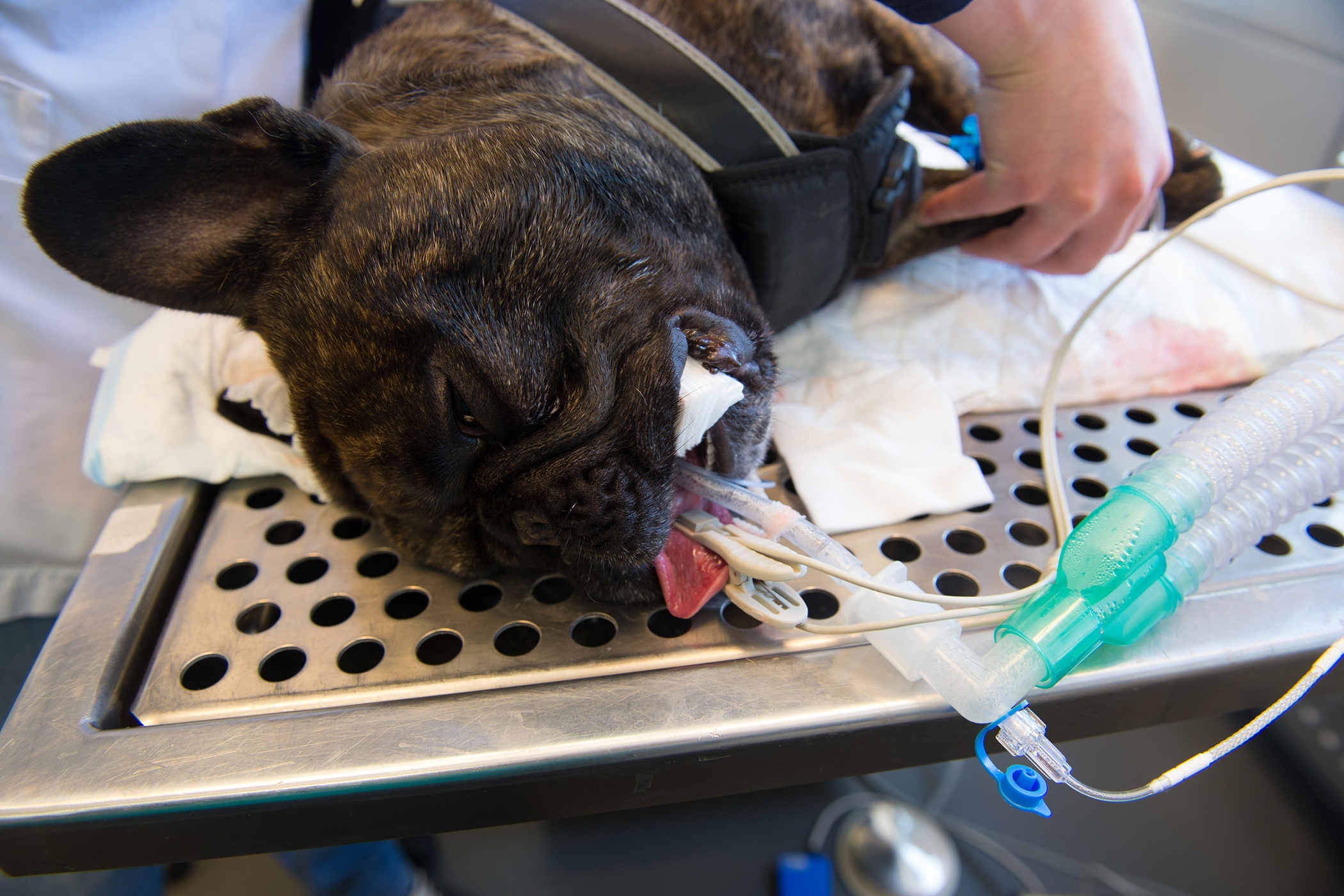
A dog endoscopy should be performed if your dog is suffering from possible gastrointestinal, respiratory, or. How to prepare your dog for an endoscopy. Canine endoscopy uses a tiny video camera at the end of a very narrow scope, called an endoscope that is inserted either into the stomach through the mouth or the colon via the rectum.
In Patients Where Changes Are Detected In The Stomach Or Intestines, Endoscopy Provides A Minimally Invasive Way Of Obtaining Biopsies.
Additionally, endoscopy can be performed to evaluate the inside of body cavities including the abdomen (laparoscopy) or chest (thoracoscopy). The accuracy of a dog endoscopy relies on thorough preparation. If a dog is experiencing digestive issues, we may perform a canine endoscopy to look inside the stomach and intestinal tract to check for any foreign objects, blockages or even detect ulcers and other stomach illnesses;
Canine Endoscopy Uses A Tiny Video Camera At The End Of A Very Narrow Scope, Called An Endoscope That Is Inserted Either Into The Stomach Through The Mouth Or The Colon Via The Rectum.
This allows a veterinarian to view a dog's gastrointestinal tract, or other areas of concern throughout his or her body. Flexible video endoscopy of the upper gastrointestinal tract (gastroduodenoscopy) and lower gastrointestinal tract (colonoileoscopy) in a dog with diffuse ch. When and why your dog should receive endoscopy.


Comments
Post a Comment